
Introduction
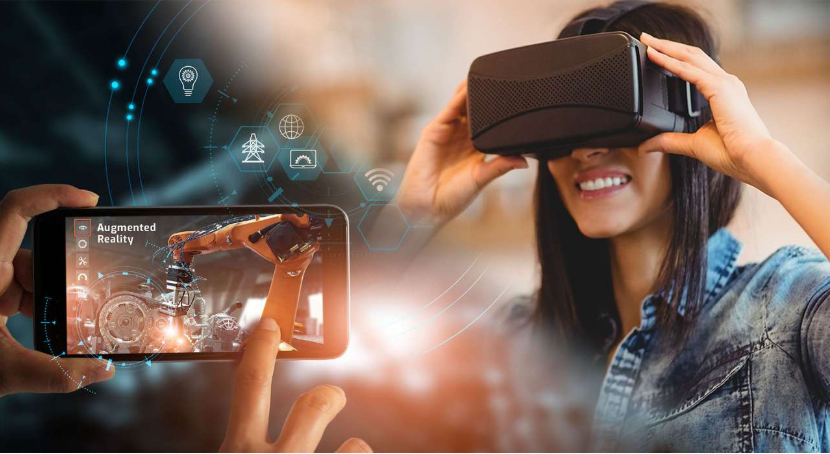
AR VR is one of the most exciting innovations in today’s rapidly changing world of technology.
Technology is changing faster than we can imagine, and two names you’ve probably heard a lot lately are Augmented Reality (AR) and Virtual Reality (VR). These aren’t just buzzwords anymore. From mobile games like Pokémon Go to advanced VR headsets used in training pilots, AR and VR are shaping how we play, shop, learn, and even get medical treatment.
In 2025, these technologies are part of our daily life—not something reserved for the future. This guide explains what AR and VR mean, how they differ, where they’re used, their advantages, challenges, and what the future might look like.
What is Augmented Reality (AR)?
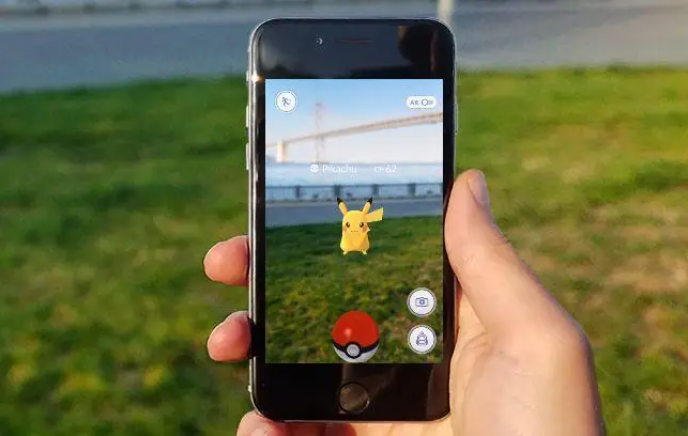
Augmented Reality adds digital elements—like 3D models, images, or sounds—into the real world. Instead of replacing reality, AR simply enhances what you see. All you need is a smartphone, tablet, or AR glasses.
Examples of AR you may have used:
- Snapchat or Instagram filters that change your look
- Pokémon Go, the famous AR mobile game
- IKEA Place app (see how furniture fits in your room)
- Google Maps Live View for navigation
Main features of AR:
- Works in real-time
- Blends real and digital worlds
- Accessible with just a smartphone
What is Virtual Reality (VR)?
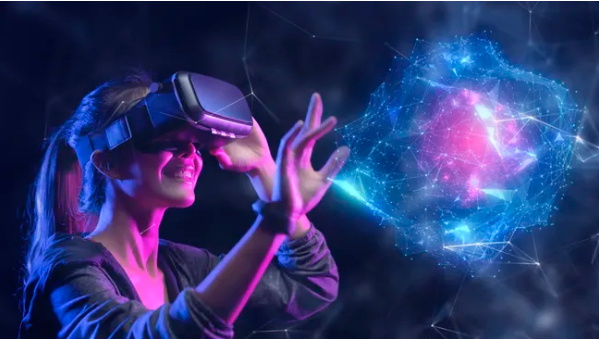
Virtual Reality is different—it takes you out of the real world and places you inside a fully digital one. With a VR headset like Meta Quest, HTC Vive, or PlayStation VR, you can explore, play, or even work in a simulated 3D environment.
Common VR experiences include:
- Gaming (Beat Saber, Half-Life: Alyx)
- Virtual travel (visit the Eiffel Tower without leaving your home)
- Professional training for doctors, soldiers, and pilots
- Virtual concerts, meetings, or events
Main features of VR:
- Completely immersive
- Needs special devices (headset + controllers)
- Replaces the physical world with a virtual one
AR vs VR: What’s the Difference?
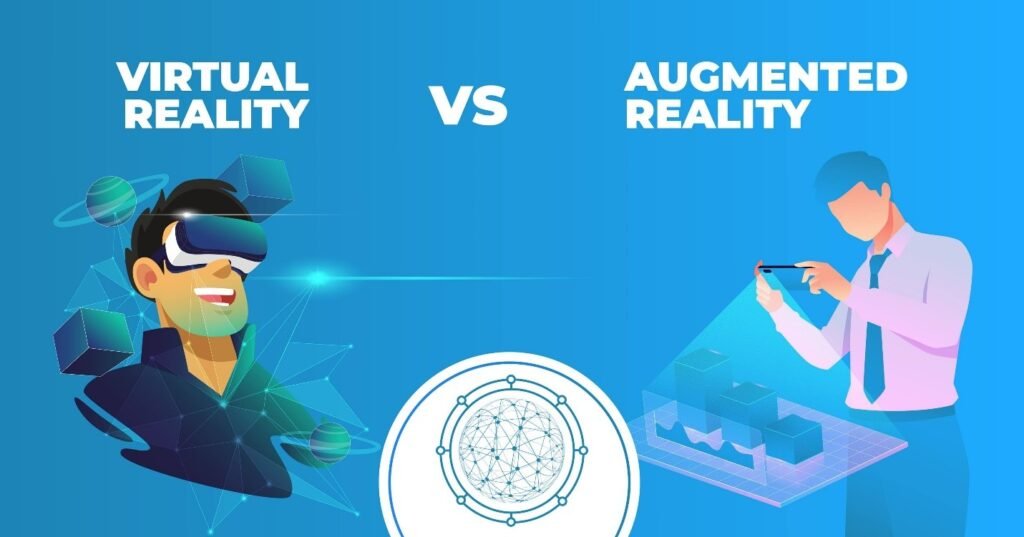
| Aspect | Augmented Reality (AR) | Virtual Reality (VR) |
| Experience | Enhances the real world | Creates a new digital world |
| Devices | Smartphones, AR glasses | VR headsets, controllers |
| Interaction | Mix of real + digital | Fully digital only |
| Accessibility | Cheaper, widely available | Costlier, limited access |
| Examples | AR shopping, Snapchat filters | VR gaming, virtual tours |
How AR & VR Work Together (MR & XR)
Although AR and VR are often discussed separately, they can also combine:
- Mixed Reality (MR): Blends AR and VR so digital objects interact with the real world (e.g., Microsoft HoloLens).
- Extended Reality (XR): The umbrella term for AR, VR, and MR. Devices like Apple Vision Pro are a step into XR.
Applications of AR & VR in Different Industries
🎮 Gaming & Entertainment
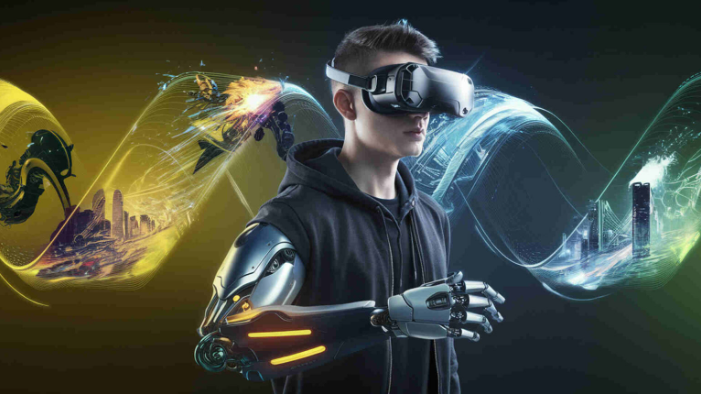
- VR delivers immersive gameplay experiences.
- AR enhances mobile gaming with interactive overlays.
📖 Education & Training
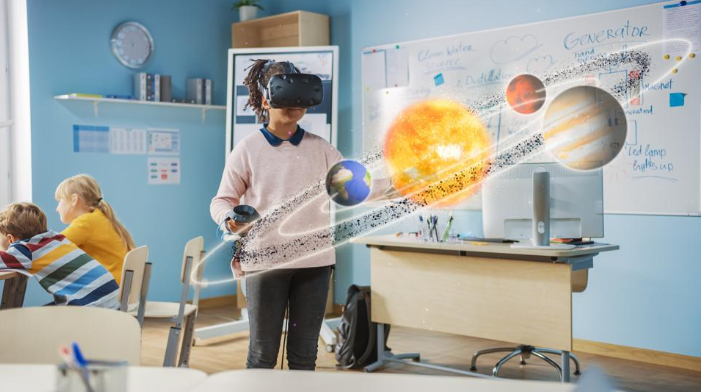
- Virtual classrooms and 3D models make learning engaging.
- Medical students practice complex surgeries in VR.
🏥 Healthcare

- VR helps treat phobias, PTSD, and pain.
- AR guides doctors during real surgeries.
🛒 Retail & E-commerce
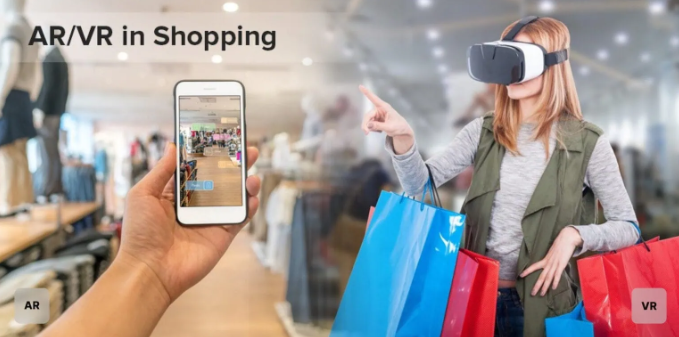
- AR lets you try on clothes, makeup, or furniture virtually.
- VR allows full shopping experiences inside digital malls.
💼 Work & Collaboration
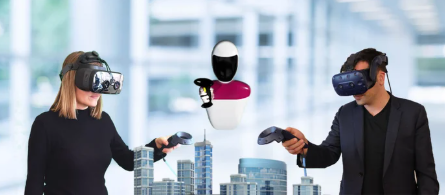
- Remote teams can meet in virtual offices.
- AR provides interactive, hands-on employee training.
🌍 Tourism & Real Estate
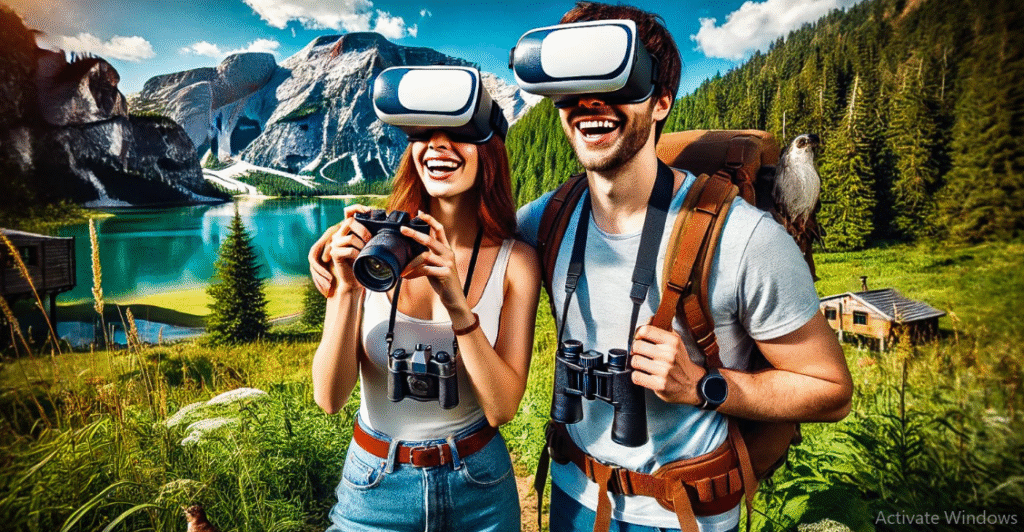
- VR property tours save time in real estate.
- AR museum guides offer interactive experiences.
Benefits of AR & VR
- Engaging: Creates memorable, interactive experiences.
- Time & Cost Saving: Especially in training and education.
- Accessible: Brings travel, shopping, and events to your home.
- Innovative: Opens new business models and opportunities.
Challenges & Limitations
- High Cost: Advanced headsets are still expensive.
- Hardware Issues: Comfort, weight, and battery life remain challenges.
- Privacy Risks: AR/VR devices collect sensitive user data.
- Slow Adoption: Many businesses are still experimenting.
Future of AR & VR (2025 and Beyond)

Experts predict the AR/VR industry could cross $100 billion by 2030. Some expected trends include:
- Metaverse Growth: Social VR platforms for work, shopping, and entertainment.
- Wearable AR Glasses: Lightweight and suitable for daily use.
- AI-Powered AR/VR: Smarter and more personalized experiences.
- Mainstream Adoption: Virtual offices, schools, and hospitals are becoming common.
Conclusion
Augmented Reality and Virtual Reality are transforming how we interact with technology. AR enhances the real world by adding digital layers, while VR immerses us in a completely new environment. Together, through Mixed Reality (MR) and Extended Reality (XR), they’re set to redefine the way we live, learn, shop, and connect with others.
👉 Instead of asking which is better, AR or VR?—the real answer is both. They complement each other and together represent the future of digital interaction.
❓ FAQs about AR VR
1. What’s the main difference between AR and VR?
- AR adds digital elements to the real world.
- VR replaces the real world with a virtual one.
2. Which one is more useful—AR or VR?
It depends on the purpose. AR is practical for daily tasks like shopping or navigation. VR is better for gaming, training, and immersive experiences.
3. How is AR VR being used in 2025?
- Gaming & entertainment
- Training & education
- Healthcare treatments
- E-commerce shopping
- Tourism & real estate
4. Is AR VR technology expensive?
- AR apps are affordable and often free.
- VR headsets can be costly, but prices are gradually dropping.
5. What’s the future of AR VR?
- Lightweight AR glasses for everyday use.
- Smarter AI-driven experiences.
- Expansion of the Metaverse.
- Wider use in schools, workplaces, and healthcare.
6. Can AR and VR work together?
Yes. When combined, they create Mixed Reality (MR) and Extended Reality (XR), offering the best of both worlds.
Pingback: Top 10 Gadgets & Smartphones for Diwali 2025 – Buy Now! - GadgetMantra