
Introduction
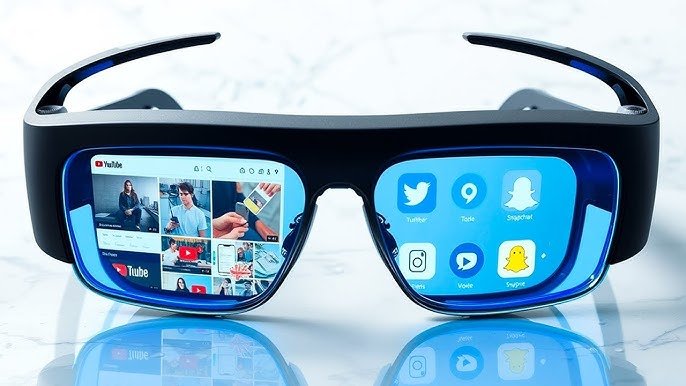
Back in 2013, Google Glasses created a buzz as one of the first attempts to blend technology with everyday eyewear. The idea of checking messages, recording videos, or navigating with just a glance sounded futuristic. Yet, the world wasn’t quite ready—privacy issues, high costs, and the “techy look” pushed it out of the consumer market.
Fast forward to 2025, and things look very different. With the rise of AI and augmented reality (AR), wearables have become a normal part of life. This time, Google Glasses are back—lighter, smarter, and more practical. They’re no longer just an experiment; they’re a useful gadget for work, health, and even entertainment.
A Quick Look Back: The Journey of Google Glasses
The first version of Google Glass launched in 2013. While exciting, it faced criticism—mainly for being bulky and raising privacy concerns. By 2017, Google quietly shifted the product toward enterprise users like doctors, engineers, and factory workers who could use hands-free tech effectively.
Over the years, Google refined the concept. And today, in 2025, with powerful AI support, advanced AR projection, and a design closer to regular eyewear, Google Glasses are making a real comeback.
What’s New in the 2025 Design?
Unlike the early models, today’s Google Glasses look sleek and comfortable. You could wear them on the street without standing out. Here are some highlights:
- Slim AR display that projects useful info right in front of your eyes.
- Voice and gesture control, powered by Google Assistant.
- High-quality cameras with visible recording indicators to ease privacy worries.
- Better battery life, plus support for 5G and Wi-Fi 7.
- Prescription-friendly versions so people with glasses can use them too.
These upgrades make the device feel like a practical accessory instead of a sci-fi prop.
How Do Google Glasses Work?
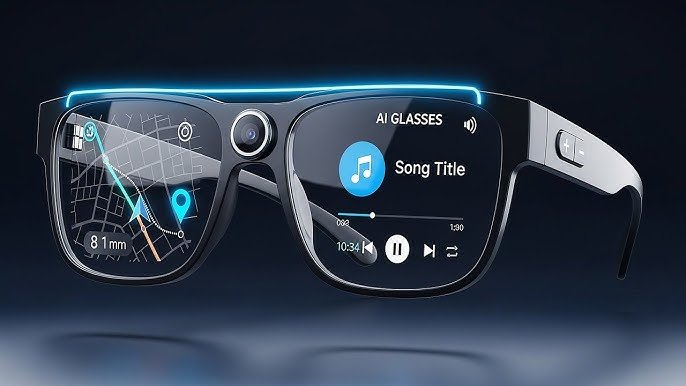
Google Glasses combine augmented reality, artificial intelligence, and cloud services to bring real-time data to your vision.
- Need directions? The map shows up right in your line of sight.
- Traveling abroad? Glasses translate signs and conversations instantly.
- Want to stay fit? Built-in sensors track heart rate, steps, and activity.
- Busy at work? Hands-free notifications and task management keep you focused.
In short, they bring the power of your smartphone—without you needing to pull it out of your pocket.
Where Are Google Glasses Being Used in 2025?

- Healthcare: Surgeons and doctors use them to see patient data while performing operations.
- Education: Teachers create interactive lessons where students can explore AR models of history, science, or space.
- Workplace: Engineers, architects, and remote workers collaborate with live data overlays.
- Gaming & Entertainment: AR-based games and immersive media create new experiences.
- Daily Life: From cooking recipes displayed step-by-step to jogging routes with live tracking, they’re blending into everyday routines.
Why People Like Them (Benefits)
- True hands-free experience.
- Useful for accessibility—voice guidance and AR for those with hearing or vision challenges.
- Instant translations for travelers.
- Syncs perfectly with Google services like Maps, Gmail, and Meet.
- Boosts productivity for professionals and students alike.
The Challenges Still Ahead
Of course, it’s not all perfect. Some hurdles remain:
- Privacy concerns around constant camera use.
- High cost, making them less affordable for the average user.
- Battery limitations if used heavily.
- Social comfort—some people still feel uneasy around AR glasses in public.
Who Else Is Competing in This Space?
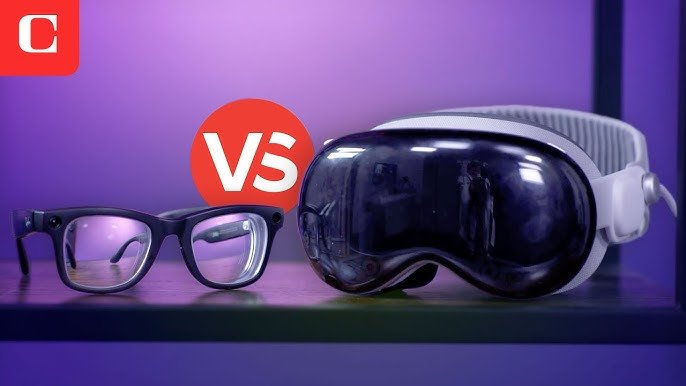
Google isn’t alone in the race. A few notable competitors include:
- Apple Vision Pro – a powerful AR/VR headset but not exactly everyday wear.
- Meta Smart Glasses – focused more on social features.
- Microsoft HoloLens – still geared toward enterprise and professionals.
- Ray-Ban Meta Glasses – stylish but with limited features compared to Google.
The difference is that Google Glasses manage to balance practicality, design, and everyday usability—something most competitors struggle with.
What’s Next for Google Glasses?
Looking ahead, Google plans to:
- Deeply integrate Glasses with the Pixel and Android ecosystem.
- Bring in holographic video calls for more natural communication.
- Push for consumer models at affordable prices.
- Make AR experiences part of everyday tasks, not just a luxury.
If these developments happen, Google Glasses could move from being a tech gadget to an essential tool, just like smartphones are today.
Conclusion

In 2025, Google Glasses have evolved from a failed experiment to a polished, AI-powered wearable that actually fits into modern life. Whether in hospitals, classrooms, offices, or homes, they’re proving that augmented reality isn’t just hype—it’s useful.
While privacy and pricing challenges still exist, the future looks promising. If AR continues to grow, Google Glasses might just become the next big step in wearable technology.
FAQs
1. Are Google Glasses available for consumers in 2025?
Yes, there are both enterprise and consumer models available.
2. How much do they cost?
Consumer versions usually range between $899–$1,299, while enterprise models are more expensive.
3. Can Google Glasses damage your eyes?
No, they work like a heads-up display and are designed to be safe for long-term use.
4. Can they replace smartphones?
Not yet—they’re more of a companion device than a replacement.
5. How are they different from Apple Vision Pro?
Apple’s headset is powerful but bulky, while Google Glasses are lightweight and designed for everyday wear.