
1. Introduction

We all rely heavily on our gadgets—whether it’s a smartphone, smartwatch, tablet, or camera. But the moment the battery dies, especially when you’re traveling or outdoors, it feels like being cut off from the world. That’s exactly why solar power banks are becoming so popular.
Unlike regular power banks that need electricity to charge, these devices use sunlight to refill their batteries. In 2025, solar power banks are smarter, more efficient, and designed to fit the needs of adventurers, frequent travelers, and eco-conscious users.
—
2. How Solar Power Banks Work
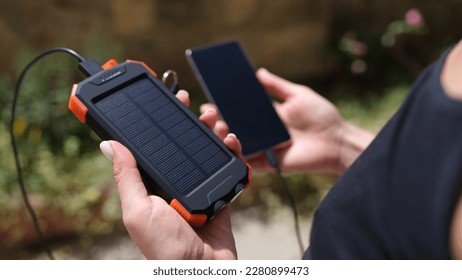
A solar power bank works just like any regular power bank but with an added advantage—it has built-in solar panels.
Here’s how it works:
1. The solar panels absorb sunlight and convert it into electricity.
2. That energy is stored inside the battery (measured in mAh).
3. You can then use it to charge your devices via USB or Type-C ports.
Most modern models also allow USB charging, so you don’t have to rely only on sunlight. And thanks to monocrystalline panels, solar power banks now charge faster and more efficiently than the older versions.
—
3. Key Features to Look For

When choosing a solar power bank in 2025, pay attention to these features:
Battery Capacity (mAh): Determines how many times you can charge a device. For example, 20,000mAh can charge a typical smartphone about 5 times.
Solar Efficiency: Higher efficiency means faster energy conversion under sunlight.
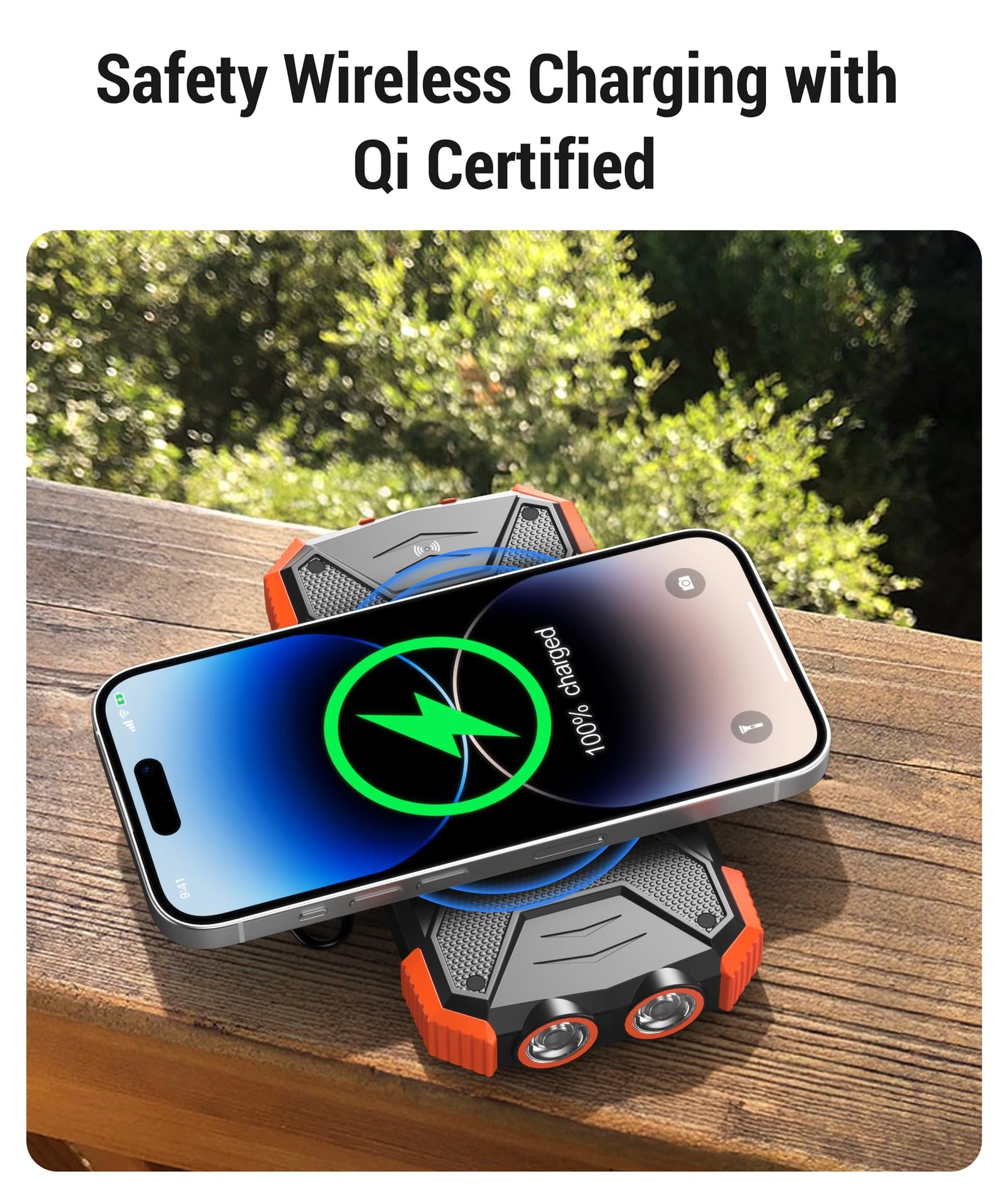
Multiple Ports: USB-A, USB-C, and wireless charging are common in newer models.
Durability: Waterproof, dustproof, and shockproof designs are perfect for outdoor trips.
Portability: Lightweight models are easy to carry, especially during travel.
Extra Add-ons: LED torch, compass, and quick-charging features are always useful.
—
4. Why You Should Use a Solar Power Bank
Eco-Friendly Choice: Uses renewable solar energy.
Perfect for Outdoor Trips: Essential for camping, hiking, or long road journeys.
Emergency Backup: Reliable during blackouts or when power isn’t available.
Saves Money Over Time: Less dependency on electricity for small device charging.
—
5. Limitations to Keep in Mind
Solar power banks are great, but they aren’t perfect. A few things to note:
Charging only with sunlight is slower compared to using electricity.
Weather plays a big role—cloudy days reduce efficiency.
They’re not powerful enough for high-consumption devices like large laptops (unless designed specifically for it).
—
6. Best Solar Power Banks in 2025
1. Anker Solar Power Bank 20,000mAh
Fast charging with dual USB-C ports, rugged build.
✅ Pros: Reliable and efficient panels.
❌ Cons: A little bulky.
2. BLAVOR Solar Power Bank 15,000mAh
Compact design with wireless charging and flashlight.
✅ Pros: Very travel-friendly.
❌ Cons: Lower capacity compared to others.
3. BigBlue 28W Solar Charger with Power Bank
Comes with foldable panels and multiple USB outputs.
✅ Pros: High solar efficiency, great for camping.
❌ Cons: Not pocket-sized.
4. Goal Zero Venture 75
Rugged, waterproof, and fast-charging supported.
✅ Pros: Built for outdoor adventures.
❌ Cons: Expensive.
5. Hiluckey Outdoor Solar Charger 25,000mAh
Large capacity, foldable panels, and LED flashlight.
✅ Pros: Can charge multiple devices at once.
❌ Cons: A bit heavy.
—
7. Buying Guide – Choosing the Right One
Here are some quick tips to make the right choice:
Pick 10,000–15,000mAh for light use, or 20,000mAh+ for travel.
Larger solar panels = faster charging.
Check if it supports USB-C PD for fast charging.
Outdoor users should look for IP-rated waterproof designs.
Decide based on your budget—affordable options start at $30, premium ones can go beyond $150.
—
8. Tips for Getting the Best Out of Your Solar Power Bank
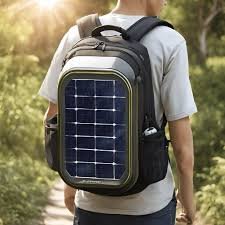
Place it in direct sunlight for faster charging.
Keep solar panels clean—dust reduces efficiency.
Use a mix of USB charging and solar for best results.
Avoid leaving the power bank under extreme heat for too long.
—
9. Future of Solar Power Banks
Looking ahead, solar power banks will only get better. Expect:
Faster charging with improved solar cells.
Slimmer and lighter designs.
Smart features like real-time battery monitoring.
Eco-friendly and recyclable materials.
—
10. Conclusion
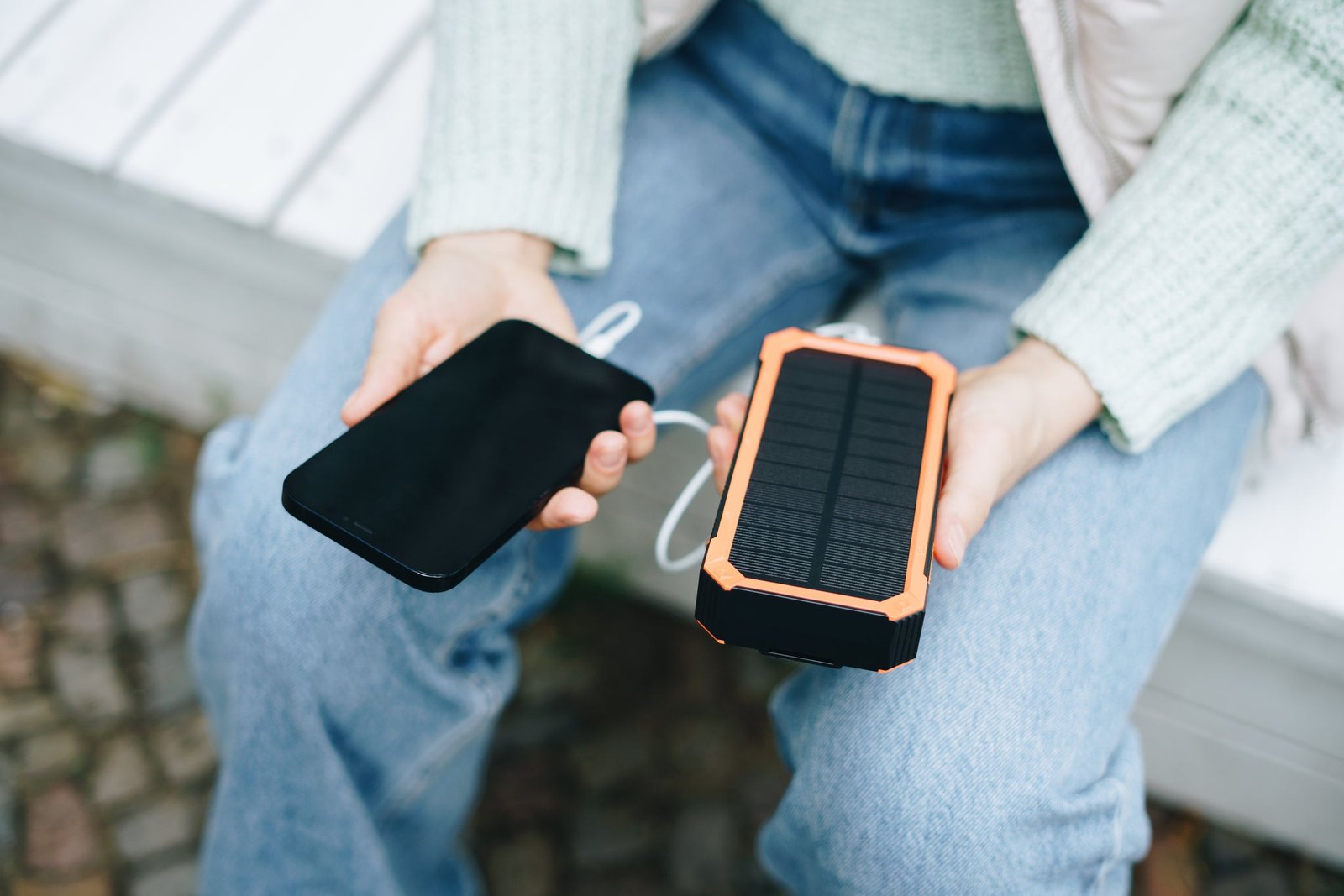
In 2025, a solar power bank is no longer just an outdoor accessory—it’s becoming a practical everyday gadget. It helps you stay connected, saves money, and supports a greener lifestyle.
If you travel often, love outdoor adventures, or just want a reliable backup during emergencies, investing in a good solar power bank is a smart choice.
—
11. FAQs
Q1. Can solar power banks work at night?
Not for generating energy, but the stored battery can still charge your devices.
Q2. How long does it take to charge using sunlight?
Depending on the size, it may take 20–50 hours of sunlight. Combining USB + solar charging is much faster.
Q3. Can they charge laptops?
Only high-capacity models with USB-C PD support smaller laptops, but not all.
Q4. Are solar power banks worth it in 2025?
Yes! With improved efficiency, durability, and eco-friendliness, they’re one of the best portable charging solutions today.